Seawater desalination reverse osmosis (RO) systems have emerged as a crucial solution to the global water scarcity issue, enabling the conversion of seawater into freshwater. As a supplier of these advanced systems, one question I often encounter is whether these systems can be transported easily. In this blog, I’ll delve into the various aspects related to the transportation of seawater desalination RO systems and shed light on the factors that influence their transportability. Seawater Desalination RO System
Overview of Seawater Desalination RO Systems
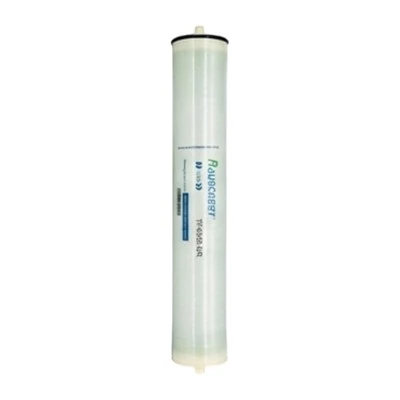
Before discussing transport, it’s essential to understand what a seawater desalination RO system consists of. These systems are complex assemblies of multiple components, including high – pressure pumps, RO membranes, pretreatment units, control panels, and storage tanks. The high – pressure pumps are responsible for pushing seawater through the semi – permeable RO membranes, which filter out salts and other impurities. The pretreatment units are designed to remove larger particles, algae, and other contaminants to protect the RO membranes. Control panels manage the operation of the entire system, ensuring optimal performance and adjusting parameters based on water quality and flow rates.
The size and scale of these systems can vary greatly. Small – scale RO systems can be designed for individual use on yachts or in remote coastal communities, while large – scale plants are built to supply water to entire cities. The complexity and size of these systems play a significant role in determining their transportability.
Factors Affecting the Transport of Seawater Desalination RO Systems
Size and Weight
One of the most obvious factors is the physical size and weight of the RO system. Smaller, portable RO systems, typically with a lower production capacity, are relatively easy to transport. These systems can be disassembled into smaller components that can fit into standard shipping containers or be transported by land vehicles. For example, a compact RO system designed for a small island community might be transported on a small truck or a medium – sized boat without much difficulty.
On the other hand, large – scale industrial RO systems are massive and extremely heavy. The high – pressure pumps, large RO membrane arrays, and extensive pretreatment units can weigh several tons. These systems often require specialized transportation equipment such as heavy – lift cranes, oversized trucks, and large cargo ships. The transportation of such large – scale systems may also involve obtaining special permits due to their size and weight, which can add to the complexity and cost of transport.
Fragility of Components
Many components of a seawater desalination RO system are fragile and require careful handling during transport. RO membranes are particularly delicate. They are made of thin, semi – permeable materials that can be easily damaged by rough handling, vibrations, or changes in temperature and humidity. Any damage to the RO membranes can significantly reduce the system’s efficiency and lifespan.
Similarly, the control panels, which contain sensitive electronic components, are also vulnerable to shock and vibration. During transport, these components need to be properly packaged and cushioned to prevent damage. Specialized shock – absorbing materials and custom – designed packaging are often used to protect these fragile parts.
Assembly and Disassembly Requirements
Some RO systems are designed to be modular, which means they can be easily disassembled into smaller, more manageable parts for transport and then reassembled at the installation site. Modular design offers several advantages in terms of transport. It allows for more efficient use of shipping space, reduces the risk of damage during transport, and simplifies the handling process.
However, not all RO systems are modular. Some large, custom – built systems are assembled as a single unit at the manufacturing facility. Transporting these non – modular systems requires careful planning to ensure that they can be safely moved without causing damage. In some cases, the system may need to be partially disassembled on – site, which adds to the complexity and cost of the transport process.
Shipping Routes and Logistics
The choice of shipping routes and logistics also affects the transportability of seawater desalination RO systems. If the system is being transported internationally, it may need to pass through multiple countries, each with its own customs regulations and import requirements. Delays at customs can be costly and time – consuming, especially for large – scale projects with tight deadlines.
In addition, the condition of the transportation infrastructure, such as roads, ports, and railways, can have a significant impact on the transport process. Poor – quality roads or limited port facilities may make it difficult to transport large and heavy RO systems. For example, in some remote coastal areas, the lack of proper port infrastructure may require the use of smaller boats to transfer the equipment from larger cargo ships to the shore, which can be a challenging and time – consuming process.
Strategies for Easy Transport
Modular Design and Custom Packaging
As mentioned earlier, modular design is a key strategy for facilitating the transport of RO systems. By designing the system in a modular way, we can break it down into smaller components that are easier to handle and transport. Each module can be carefully packaged to protect the components during transit. Custom – designed packaging can be tailored to the specific shape and size of each module, providing maximum protection against shock, vibration, and environmental factors.
Pre – installation Testing and Commissioning
Before shipping the RO system, it is essential to conduct thorough pre – installation testing and commissioning. This ensures that the system is in proper working condition and that any potential issues are identified and resolved before transport. By testing the system at the manufacturing facility, we can minimize the need for extensive on – site troubleshooting and adjustments, which can save time and money during the installation process.
Collaboration with Experienced Logistics Partners
Working with experienced logistics partners is crucial for the successful transport of seawater desalination RO systems. These partners have the expertise and resources to handle the complex logistics involved in transporting large and heavy equipment. They can help with route planning, customs clearance, and the selection of appropriate transportation modes. By collaborating with reliable logistics partners, we can ensure that the RO system is transported safely and efficiently to the installation site.
Conclusion
In conclusion, while the transport of seawater desalination RO systems presents certain challenges, it is possible to achieve relatively easy transport with proper planning and the implementation of appropriate strategies. Smaller, modular RO systems are generally easier to transport compared to large – scale, non – modular systems. However, regardless of the size of the system, factors such as the fragility of components, shipping routes, and logistics need to be carefully considered.
As a supplier of seawater desalination RO systems, we are committed to providing our customers with high – quality products that are not only efficient in operation but also easy to transport and install. We work closely with our customers to understand their specific needs and requirements and to develop customized solutions that meet their expectations.
Pan Ultrafiltration Membrane If you are interested in purchasing a seawater desalination RO system or have any questions about the transport and installation process, please feel free to contact us. Our team of experts is ready to assist you in finding the most suitable solution for your water desalination needs.
References
- Elimelech, M., & Phillip, W. A. (2011). The future of seawater desalination: energy, technology, and the environment. Science, 333(6043), 712 – 717.
- Greenlee, L. F., Lawler, D. F., Freeman, B. D., Marrot, B., & Moulin, P. (2009). Reverse osmosis desalination: Water sources, technology, and today’s challenges. Water research, 43(9), 2317 – 2348.
- Lattemann, S., & Höpner, T. (2008). Environmental impact and impact assessment of seawater desalination. Desalination, 220(1 – 3), 1 – 15.
Fujian Huamo Technology Co., Ltd.
Fujian Huamo Technology Co., Ltd. is one of the most professional seawater desalination ro system manufacturers and suppliers in China, featured by quality products and good service. Please rest assured to wholesale the best seawater desalination ro system made in China here and get price list from our factory. Contact us for custom service and OEM service.
Address: No.6 Hengtong Rd, Shanmei Village, Xiamei Town, Nanan City, Fujian Province, China
E-mail: info@huaromembrane.com
WebSite: https://www.hmromembrane.com/
