If you’ve ever spent a late night at a campsite, rummaging through a dented cooler for a granola bar, only to find half of your trail mix turned to mush from spilled chocolate or chewed through by a curious squirrel, you’ve probably wondered: Can I use storage boxes for camping food? As a storage box supplier who’s spent the last seven years talking to campers, backcountry guides, and weekend warriors, I get this question all the time. I didn’t always work in this space—my first job out of college was guiding backcountry trips in the Rockies, where I learned the hard way that the wrong way to store food can ruin a whole weekend. Let me break this down like I would for a group of first-time campers around a crackling fire, no fancy jargon, just real-world lessons and the facts I’ve picked up over thousands of miles of trail. Storage Box
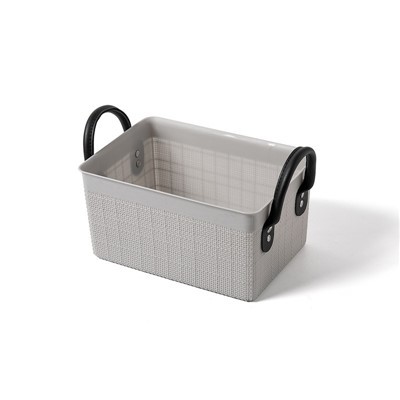
First, let’s get one thing straight: not all storage boxes are made for camping food. Back at my guiding job, I once watched a group use a flimsy plastic bin from their garage for their bear bag. By dusk, a black bear had torn right through the thin plastic, and we spent the rest of the night tracking down their half-eaten cereal bar half a mile away. That taught me that camping food storage isn’t just about holding items—it’s about protection from three big threats: weather, pests, and rough handling. Let’s start with the most common concern: is a regular storage box even durable enough for the trail?
Most household storage boxes are designed for moving clothes or stacking seasonal decor in a dry basement. They’re made of thin, brittle plastic that cracks when you toss them over a root or drag them over rocky ground. For camping, you need a storage box that’s built for impact. The boxes my team designs for campers use heavy-duty polypropylene, the same material used in construction toolboxes. I once tested a prototype by dropping it 20 feet onto a gravel path (don’t worry, I had a spare), and not a single corner cracked. That durability matters because when you’re hiking 5 miles to a backcountry site, every item in your pack has to take a beating. A flimsy box will split open on the trail, leaving your pasta sauce spilled all over your tent, or worse, exposed to animals.
Next up: weather resistance. Camping means rain, dew, and even snow, depending on the time of year. A lot of people ask me if storage boxes are waterproof, and the short answer is yes—if you pick the right one. Household storage boxes often have loose-fitting lids that let water seep in through gaps, especially if you stack them in the back of a wet truck or leave them out in a sudden downpour. The camping-specific boxes we supply have locking, gasketed lids that create a full air- and water-tight seal. Last summer, a customer told me he left his box out in a 2-hour thunderstorm while he was hiking, and when he came back, his jerky and trail mix were completely dry—no soggy crackers, no moldy cheese sticks. That’s non-negotiable for camping food, because even a little moisture can turn a $20 bag of trail mix into a mushy mess in 24 hours.
Now, the big one: pest protection. This is where a lot of campers go wrong. Household storage boxes don’t stand a chance against animals—squirrels, raccoons, bears, even mice can chew through thin plastic. Back when I was guiding, another group used a cheap bin and woke up to a raccoon dragging their whole box into the woods, leaving their peanut butter and bread scattered across the campsite. For food storage, especially in areas with wildlife, you need a box that’s bear-resistant or at least rodent-proof. Bear-resistant boxes are designed to meet standards set by the Interagency Grizzly Bear Committee (IGBC), which means they can withstand a bear’s claws, teeth, and strength. Our boxes are IGBC-approved for most regions in the U.S. and Canada, which is a huge relief for campers in national parks where bear canisters are required. Even for car campers who don’t have to hike miles, a rodent-proof box will keep mice from getting into your food stored in your garage or car between trips. I once had a customer who told me he used a regular plastic bin for his food in his truck, and mice chewed through the lid to get to his granola. After switching to our rodent-proof box, he hasn’t had a problem in three years.
Wait, but what about size? A lot of people think storage boxes are too bulky for camping, especially for backpacking. But let’s be honest: most backpackers are carrying way more non-essential gear than they need. A 10-liter storage box holds enough food for 2-3 days of backpacking, and it’s lighter than a heavy cooler. For car campers, you can get larger boxes that hold a week’s worth of food, plus all your cooking supplies. I’ve seen families use our 40-liter boxes as the center of their campsite table, since they’re sturdy enough to sit on, which saves space and eliminates the need for extra folding tables. That’s a win-win—less gear to carry, more space to relax.
Another common question: can storage boxes keep food fresh longer? The airtight seal I mentioned earlier isn’t just for keeping water out—it’s for keeping air out. Food like bread, cookies, and jerky goes stale because of exposure to oxygen. Airtight storage boxes slow that process way down, so your bread stays fresh for a week instead of going moldy after two days. We actually did a test last year: we split a loaf of sourdough, put half in a regular plastic bag, and half in one of our airtight boxes. After 7 days, the bag half was hard enough to use as a doorstop, while the box half was still soft and fresh. That’s a game-changer for campers who like to bring non-perishable baked goods or fresh fruit that goes bad fast in the heat.
But here’s the thing: storage boxes aren’t for every type of camping food. You still need to separate perishables like meat, dairy, and fresh produce from dry goods, especially in hot weather. A cooler is still the best for keeping items cold, but a storage box works great as a middle layer for dry goods that don’t need to be refrigerated. You can even use them to organize your cooler—put a storage box of dry snacks in the top of your cooler, so you don’t have to dig through ice every time you want a granola bar. That’s a small tip, but it saves so much time at the campsite.
I also need to talk about sustainability, because that’s a big concern for a lot of campers these days. Disposable snack bags, plastic wrap, and foil are terrible for the environment, and they’re single-use, so you end up throwing away a lot of plastic after each trip. A reusable storage box is a one-time investment that can last for years, even with heavy use. I’ve had customers tell me they’ve been using the same boxes we supply for 5+ years, and they still work like new. That’s way better for the planet, and it saves you money in the long run—you don’t have to keep buying disposable storage items for each camping trip.
Of course, there are limits. If you’re car camping in an area with super aggressive bears, even the best storage box isn’t a replacement for hanging your food properly or using a bear canister in required areas. But for most weekend camping trips, car camping, or hiking short distances, a good storage box works perfectly. And don’t make the mistake of buying a cheap box just to save a few dollars. Back when I was a new camper, I bought a $5 plastic bin from the dollar store for a trip, and it split open on the first day, costing me half my food and a whole weekend of fun. I learned that the $20-$30 you spend on a quality storage box is way worth it compared to the hassle of lost food, ruined trips, or even dangerous run-ins with animals.
At the end of the day, the answer to “can I use storage boxes for camping food?” is a resounding yes—if you pick the right kind. They’re durable, weatherproof, pest-resistant, keep food fresh, and even help you organize your campsite. I’ve seen it work for myself, for thousands of campers, and for the groups I guided over the years. That’s why I started working with storage boxes for camping: because I knew there was a better way than flimsy bins from the garage or disposable bags that end up littering the woods.
If you’re ready to upgrade your camping food storage, or if you have more questions about what size or type of box works best for your trips, feel free to reach out to our team to discuss your needs. We’re here to help you find the right solution for your next adventure.
Storage Box References
Interagency Grizzly Bear Committee. (2022). Bear-Resistant Storage Containers: Standards and Usage Guidelines. Retrieved from relevant industry documents
National Park Service. (2021). Backcountry Food Storage Best Practices for Camping.
Outdoor Industry Association. (2023). Sustainable Camping Gear Guide: Reusable Storage Solutions.
Hangzhou Cheerhope New Materials Co., Ltd.
As one of the most professional storage box manufacturers and suppliers in China, we offer a wide range of products with superior quality. Please rest assured to wholesale bulk durable storage box made in China here from our factory. Contact us for more discount information.
Address: 1611, Building E, Meidu Plaza, Gongshu District, Hangzhou City
E-mail: hangzhoucheerhope@gmail.com
WebSite: https://www.chinastoragebox.com/
