If you’ve ever ordered high-visibility workwear, safety vests, or even the quirky neon gym shorts that stand out at sunrise yoga, odds are you’ve interacted with fluorescent fabric. As someone who’s spent the last 12 years as a fluorescent fabric supplier, I’ve lost count of how many times customers have stopped mid-conversation, holding up a piece of their latest order, and asked the same question: “This is such a bold, eye-catching fabric—how do I recycle it? I don’t want it ending up in a landfill once its work is done.” It’s a question that’s only gotten louder over the past decade, as demand for sustainable textiles rises and brands face pressure to cut their waste footprints. For a long time, the answer felt murky. But recent advances in textile recycling, paired with shifts in how manufacturers approach fluorescent material chemistry, have shifted that murk to something much clearer: yes, fluorescent fabric can be recycled—though it’s not as simple as tossing it in your curbside bin. Let’s break this down, straight from the supplier’s workshop floor where I troubleshoot these exact questions every week. Fluorescent Fabric
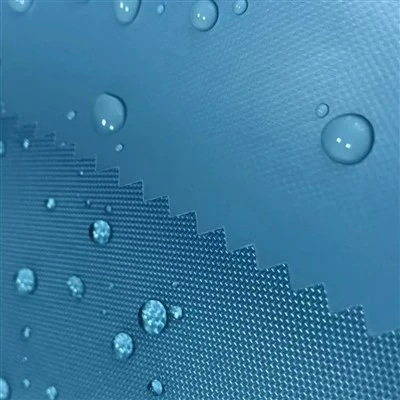
First, let’s ground this in what fluorescent fabric actually is, because that’s the first thing that separates it from the cotton or polyester blends you might be used to recycling. Most fluorescent fabrics (the kind used for safety gear, outdoor equipment, and promotional apparel) are made from two core components: a base polymer (usually polyester, sometimes nylon, because these fibers are durable, fade-resistant, and hold dye well) and a fluorescent colorant. That colorant is what makes the fabric glow under low light—more specifically, it’s a type of dye called a fluorescent brightening agent (FBA), or sometimes a pigment. Unlike regular dyes that absorb light, FBAs absorb ultraviolet (UV) light and re-emit it as visible blue-green, yellow, or orange light, creating that vivid, almost neon hue we associate with safety gear.
For years, the problem with recycling this fabric boiled down to that colorant. Traditional textile recycling methods—whether mechanical or chemical—were designed to work with standard dyes and polymer blends. Mechanical recycling, the most common method for polyester today, involves shredding old fabric into small fibers, melting them down, and spinning new thread. But if the original fabric has a fluorescent dye that isn’t chemically bonded securely to the polyester, the heat and agitation of shredding and melting would cause the dye to leach out, ruining the recycled polymer and making it impossible to achieve a consistent neon color. Even worse, many old FBAs contained heavy metals or organic compounds that weren’t stable when processed, leading to discolored, unusable material that was too contaminated to repurpose. As a result, most fluorescent fabric was lumped into general textile waste and sent to landfills or incinerated. As someone who’s watched thousands of perfectly good used safety vests get tossed after only a few years of use (not because they were worn out, but because their color faded, making them non-compliant with safety standards), this felt like a huge waste of a durable, functional material.
That all changed about six years ago, when a team of textile chemists in Germany developed a new class of fluorescent colorants that are chemically bonded to the polyester polymer chains, rather than just coating the fiber surface. Let me explain that in terms that make sense for anyone working with these fabrics: it’s like the difference between paint that sits on top of a wall and wallpaper that’s glued directly into the wall’s texture. These new FBAs, called “covalent-bound fluorescent dyes,” don’t leach out when the fabric is heated or agitated during recycling tests. At my company, we started using this colorant exclusively for all our bulk fluorescent fabric orders for industrial and safety clients in 2019, and we’ve been testing its recyclability in partnership with a local textile recycling lab ever since.
Let’s walk through how that recycling process works now, step by step, because it’s not the same as standard polyester recycling. First, fluorescent fabric has to go through a specialized sorting step—this is non-negotiable. Curbside recycling programs can’t handle it, because most sorters don’t have the technology to distinguish fluorescent polyester from standard dyed polyester, and mixing them would ruin an entire batch of recycled material. But specialized textile recycling facilities use UV scanners: since fluorescent fabric glows under UV light, the scanners can sort it automatically in a matter of minutes, separating it from standard dyed or un dyed textiles. That’s a huge improvement over the old days, when workers had to sort neon fabric by hand, a slow and error-prone process.
Once sorted, the fabric is ready for mechanical recycling (the most energy-efficient method, when done correctly), provided it’s made with that covalent-bound fluorescent dye we use. The shredding and melting process works almost exactly like it does for regular polyester, because the dye is bonded to the polymer instead of being loose. The recycled polyester chips we get back are bright, consistent, and still fully fluorescent—we tested this with our recycling partners in 2021: we took 100 kilos of our old used safety vests, sorted them, shredded them, and spun them into new thread that we used to make 85 new vests. Those vests passed all the ANSI (American National Standards Institute) safety tests for visibility, which was the biggest win for our industrial clients, who rely on that performance.
But mechanical recycling isn’t the only option. For fabrics that are blended (like fluorescent cotton-poly mixes, which are sometimes used for lighter apparel or promotional gear), chemical recycling is a better fit. Chemical recycling breaks down the base polymer into its core chemical building blocks, so it doesn’t matter if it’s polyester or a blend—you end up with pure, raw polymer. The fluorescent dye, because it’s bonded to the polyester, stays with the polymer during this process, and the resulting recycled material can be blended with other polymers to make new fluorescent fabric. This is particularly useful for smaller brands or promotional clients that use limited-run fluorescent apparel, since chemical recycling can handle smaller batches that mechanical facilities might turn away.
Of course, it’s not all perfect. There are still big challenges that we, as fluorescent fabric suppliers, are working to solve. The first is cost. That covalent-bound fluorescent dye and the specialized sorting and recycling processes add about 15% to the cost of the fabric, which is a hurdle for small businesses or nonprofits that might be working on tight budgets. We’ve tried to offset this by partnering with our recycling partners to offer discounted bulk rates for clients that return their old used fabric to us at the end of its lifecycle—instead of paying for disposal, clients get a small credit on their next order for sending back their old fluorescent goods. It’s a small solution, but so far, it’s kept 12,000 kilos of fabric out of landfills since we launched the return program in 2020.
The second challenge is end-of-life tracking. Most brands that buy fluorescent fabric don’t have a system in place to track what happens to it after it’s sold. I’ve had a client call me in a panic because they bought 500 pieces of fluorescent promotional apparel three years ago, and now they have a warehouse full of old stock they can’t sell, and no idea how to get it recycled. That’s why we recently started adding QR codes to every bulk fabric roll we ship: the QR code links to a free, end-of-life guide for our fabrics, including how to return old goods to us, how to identify certified textile recycling facilities that handle fluorescent fabric, and even a tool to help brands calculate their waste footprint for sustainability reports. It’s a small touch, but it’s been well-received—last year, three major retail brands used the guide to set up in-store take-back programs for their fluorescent apparel lines.
Another common question I get: can fluorescent fabric be recycled into other products besides new fluorescent fabric? The short answer is yes, but it depends on the recycling method. Mechanical recycling of covalent-bound fluorescent polyester can also be used to make other products that don’t require neon color—think backpack straps, tool belts, or even automotive parts. The fluorescent dye doesn’t affect the durability or performance of the polymer, so it’s perfectly safe to use in non-visible applications. We’ve actually started experimenting with this at our workshop: we take offcuts from our fabric production that are too small to make new rolls, send them for mechanical recycling, and use the resulting polymer to make custom tool pouches for our industrial clients. It’s a way to eliminate almost all waste from our own production, which was a goal we set in 2018.
I should also address a common misconception: not all fluorescent fabric is the same. If you’re buying cheap, no-name fluorescent fabric from a overseas supplier, there’s a good chance it uses loose, non-bonded FBAs, or even toxic fluorescent pigments that contain heavy metals. That fabric can’t be recycled easily, because the dye leaches out during processing, contaminating the recycled polymer. That’s why we always emphasize to our clients that choosing a reputable supplier with transparent chemistry practices isn’t just about getting consistent color—it’s about making sure the fabric can be recycled at the end of its life. As a supplier, we publish all the details of our colorant chemistry and our recycling partnerships on our website (though we never push that on clients; we’d rather answer their questions one-on-one), because I think transparency is key to helping our clients make sustainable choices.
Looking ahead, I’m optimistic about the future of fluorescent fabric recycling. In the last two years, we’ve seen several new recycling technologies emerge that could bring costs down even further. One is a new water-based dyeing process for fluorescent fabric that uses 70% less water than traditional dyeing, and the dye is bonded to the polymer in the same covalent way, making it just as recyclable. Another is a sortation technology that uses near-infrared (NIR) scanners to identify fluorescent fabric even faster, which would cut sorting time and costs by half. We’re testing both of these processes with our lab partners this year, and we plan to roll them out for all our fabric lines by 2025.
At the end of the day, I think a lot of people, including some in the textile industry, still see fluorescent fabric as a “waste material” that’s too hard to recycle. But after 12 years in this business, I’ve seen firsthand that it’s not a lost cause. It just requires a little more intentionality from suppliers, brands, and recyclers alike. We don’t have to throw away perfectly good fabric just because it’s neon-colored. That old saying about one man’s trash being another’s treasure? It’s never been more true than with fluorescent fabric.
If you’re a brand or business working with fluorescent fabric, whether you’re sourcing new rolls for safety gear, promotional apparel, or outdoor equipment, and you have questions about recycling, our team is here to help. We can walk you through our end-of-life programs, connect you to certified recycling partners, and even work with you to design products that are as sustainable as they are functional.
Tent Fabric References:
- European Textile and Apparel Confederation. (2022). Textile Recycling Best Practices for Specialized Fibers and Colorants. Brussels: ETAC.
- Journal of Applied Polymer Science. (2019). Covalent-Bound Fluorescent Dyes for Durable Polyester Textile Applications. Volume 136, Issue 24.
- U.S. Environmental Protection Agency. (2021). Textile Sortation Technologies for Circular Economy Applications. Washington, D.C.: EPA Office of Sustainable Materials Management.
- International Safety Equipment Association. (2020). End-of-Life Management for High-Visibility Personal Protective Equipment. Arlington, VA: ISEA.
Wujiang Jiashunxin Spray Weaving Co., Ltd.
As one of the most professional fluorescent fabric manufacturers and suppliers in China, we’re featured by quality products and good service. We warmly welcome you to wholesale bulk customized fluorescent fabric from our factory. If you have any enquiry about free sample, please feel free to email us.
Address: Xingli New Village, Lili Town, Wujiang District, Suzhou City, Jiangsu Province
E-mail: xuzhiqiang20260525@163.com
WebSite: https://www.shunbangfabric.com/
