Hey there, fellow tech gear heads and bulk buyers! If you’ve ever ordered Cat Series products from us (or been eyeing them for your warehouse or project), you’ve probably wondered at some point: “What exactly do I need to store these things right?” Because let’s be real—improper storage isn’t just annoying. It’s a surefire way to waste cash, damage gear that’s supposed to work hard, or even delay a job that’s already behind schedule. I’ve been in the Cat Series supplier game for 7 years now, and I’ve seen it all: forklift batteries corroded because someone left them in a damp corner, compact track loader tracks warped from extreme heat, even whole pallets of hydraulic hoses ruined by dust and rodents. So today, I’m breaking down the real, no-BS storage requirements for every key Cat Series product line we ship, based on years of on-the-job experience, Cat’s official specs, and the mistakes our customers (and we) have made. No fancy jargon, no copy-pasted manuals—just the straight dope you need to keep your Cat gear in tip-top shape until it’s time to roll out. Cat Series
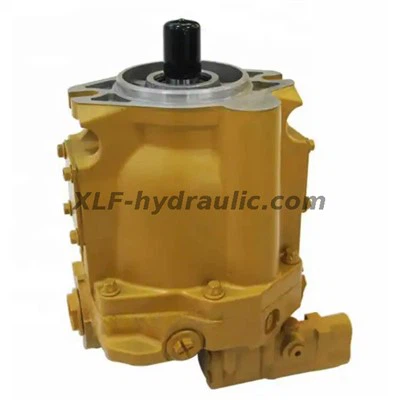
First, let’s cut to the big stuff: the heavy-duty Cat construction equipment—think backhoe loaders, compact excavators, wheel loaders, and skid-steers. These aren’t your backyard lawn mowers, so their storage needs are way more specific. Most Cat models in this line are made for harsh job sites, but that doesn’t mean they can be stored anywhere. The biggest culprit here is temperature extremes. Cat’s official specs say you want to keep these machines in an area where the ambient temperature stays between -20°F and 120°F (-29°C to 49°C). Now, I know some of you are in places like Arizona or Alaska where that’s tough—we’ve got customers in the Yukon who use heated tent storage for their big excavators in winter, and folks in Texas who stick to shaded, well-ventilated equipment yards. The key here is avoiding rapid temperature swings—like leaving a machine in a freezing night then pulling it into a sweltering garage midday. That causes condensation, which is the #1 enemy for engine parts. Water sitting in fuel lines? Rust in the cylinder walls? Yep, that’s exactly what happens when condensation builds up.
Then there’s the fuel and hydraulic systems. If you’re storing a Cat machine for more than 30 days, you can’t just top off the fuel tank and call it a day—wait, no, actually topping it is good, but you need to add a fuel stabilizer too. Gas goes stale in about a month, diesel in 6 months max, right? So for longer storage (say, over winter or a multi-month project pause), run a stabilizer through the fuel system, drain any water separators, and keep the hydraulic fluid level at the full mark. Never leave fluid low—air gets in, causes foaming, and wears out pumps. Also, lock up the fuel and hydraulic caps tight. I once had a customer lose $12k on a wheel loader because a squirrel chewed through the fuel cap seal and built a nest inside the tank—we had to flush the whole system, replace filters, and even fix a small leak from the chewed lines. Squirrels, mice, even rats love to nest in warm, quiet engine bays, especially in winter. If you can store equipment on blocks instead of its tires, that’s a win too—tires rot if left inflated for months on end, and you avoid flat spots that throw off alignment when you start it up again.
Now, moving to the smaller but equally critical Cat power and energy products: the lithium-ion and lead-acid batteries, plus the portable generators and inverter chargers. These are way more sensitive than the big construction machines, and their storage needs catch so many people off guard. Let’s start with batteries specifically—our Cat lithium-ion batteries (used for forklifts, compact power units, and backup power) can’t handle extreme temps at all. Cat says lithium-ion batteries need to be stored between 32°F and 86°F (0°C to 30°C). I’ve seen customers store these in unheated garages in December, and half the pack’s capacity dies by March—turns out, cold drains lithium-ion way faster than you think. And if you store them fully dead? That’s a one-way ticket to a useless battery, period. We always tell customers to top their lithium-ion batteries to 40-60% charge before storage. For lead-acid forklift batteries, the rule is similar but a bit more forgiving—keep them between 50°F and 77°F (10°C to 25°C), and charge them every 30 days if stored long-term.
Generators are another big one here. Cat portable generators (like the Cat RP Series) are built for jobs, but storage is make-or-break. First, same fuel rule: add stabilizer if storing over a month. But generators also have a carburetor that can get clogged with stale fuel—so many customers skip draining the carb before storage, and by spring, their generator won’t start because of gunk. I can’t tell you how many times we’ve had a customer bring in a 6-month-old Cat generator that “died” and it’s just a clogged carb that needed a $10 cleaning part, not a $500 repair. Also, generators need ventilation—never store them in a closed garage or basement. Carbon monoxide is deadly, even in small amounts, so store them in a covered, open area. And keep them off the ground if you can—standing water from rain or snow can seep into the fuel tank or electrical parts, leading to rust or shorts.
Last but not least, the Cat attachments: buckets, forks, augers, hydraulic hoses, and quick couplers. These are often overlooked because they’re smaller, but we see more damaged attachments than anything else from bad storage. Hydraulic hoses, for example, can’t be bent too tight or left coiled in a pile for months. If you coil a hose with a radius smaller than Cat recommends (usually 2x the hose’s diameter), you’ll crack the internal lining, leading to leaks when you put it back on a machine. And hoses love dust and moisture—store them hanging straight or on a loose coil, off the floor, in a dry area. Buckets and forks? Don’t just leave them leaning against a wall. They can warp from their own weight if left propped at an angle, especially steel buckets in extreme heat or cold. Store them flat, on pallets or on a rack, so they stay straight. Auger bits? Keep the blades sharp and covered, not exposed—rust on the cutting edge makes them work way harder, and you’ll lose efficiency when you use them.
Wait, let’s talk about a common mistake we see with all Cat products: mixed storage. People will store a new Cat backhoe next to a bunch of old, rusted equipment, or keep Cat hoses in the same area as a pile of dirty construction lumber. That’s a bad idea. Rust and dirt particles can get on delicate parts, and even cross-contaminate hydraulic systems. We always recommend a dedicated storage area for Cat gear—no random old tools or debris. If you don’t have a big warehouse, even a section of your yard with a portable storage shelter works, as long as it’s organized.
Another thing: documentation. Every Cat product comes with a spec sheet, right? If you lose yours, don’t guess—hit us up, we’ve got digital copies for every single product we sell. A lot of customers think “Cat stuff is tough, it can handle anything,” and that’s mostly true, but pushing storage limits just leads to avoidable costs. I once had a customer who tried to save $50 on a portable shelter instead of using the heated tent we recommended for his two small excavators in North Dakota. By March, both had rusted fuel tanks, and he paid $1,800 in repairs—way more than the shelter would’ve cost. That’s the thing about storage: it’s not an extra expense, it’s an investment. Bad storage costs you way more long-term.
Now, let’s get real about variable factors that change things. If you’re storing gear for less than 30 days, a lot of the stricter rules relax a bit. You don’t need to add fuel stabilizer for a 2-week pause, and you can leave small attachments loosely stacked as long as they’re not exposed to rain. But if it’s over 90 days, follow all the long-storage rules—no cutting corners there. Also, if you live in a humid area (like Florida or Louisiana), add a dehumidifier to your storage space. Humidity is even worse than dry cold for metal parts—rust spreads fast in 70%+ humidity. We had a customer in Miami store 50 hydraulic hoses in a damp garage, and 25 of them were corroded from the inside out after 6 months. Adding a small dehumidifier fixed that for his next order.
I know a lot of you are also dealing with supply chain delays, so you might be storing extra Cat gear for months, waiting for projects to start. That’s totally common, but that just makes storage even more important. We’ve seen customers stock up on Cat parts during a sale, then lose half of them to bad storage. For spare parts like filters, gaskets, and electrical components, store them in a cool, dry cabinet—exposure to sunlight and heat makes rubber gaskets crack and filter media degrade.
At the end of the day, Cat Series products are built to last, but only if you treat them right. The storage requirements aren’t random—they’re engineered into every part of the gear, from the engine to the hydraulic hoses. Skip the shortcuts, keep the temp and humidity in check, cover what needs covering, and lock up the small parts to keep pests out. And if you’re not sure about something? Don’t guess—reach out to our team. We’ve been supplying Cat products for years, and we’ve helped hundreds of customers sort out storage plans that fit their space and budget. We’re not just here to sell you gear—we’re here to make sure it works as hard as it’s supposed to, for as long as possible.

If you’ve got questions specific to your Cat Series equipment, or you’re looking to order more gear and need help planning for storage, hit up our team to chat about procurement. We’ll walk you through exactly what you need, no fine print, no hassle.
Hitachi Series REFERENCES
Caterpillar Inc. (2022). Cat Equipment Storage Guidelines. Caterpillar Global Construction & Mining.
Caterpillar Inc. (2023). Lithium-Ion Battery Storage and Handling Specifications. Caterpillar Energy Solutions.
Occupational Safety and Health Administration (OSHA). (2021). Safe Storage Practices for Construction Equipment and Attachments. U.S. Department of Labor.
Wuhan Xinlaifu Hydraulic Equipment Co., Ltd.
Wuhan Xinlaifu Hydraulic Equipment Co., Ltd. is one of the most professional cat series hydraulic spare parts manufacturers and suppliers in China, featured by high quality OEM&ODM products. Please feel free to buy customized cat series hydraulic spare parts from our factory.
Address: Liansu Industrial Park, No.1, Xincheng 11th Road, Dongxihu District, Wuhan, Hubei, China
E-mail: service@xlf-hydraulic.com
WebSite: https://www.xlf-hydraulic.com/
